

The current confrontation between the United States and Iran in the Strait of Hormuz has evolved into something larger than a regional military standoff. It is now an economic pressure campaign, an energy crisis, a test of global alliances, and a revealing moment in the transformation of world power.
At the center of the crisis lies a narrow waterway barely 33 kilometers wide at its narrowest point. Yet the Strait of Hormuz carries roughly one-fifth of global oil and liquefied natural gas exports. Whoever controls or disrupts this route can influence inflation, shipping, industrial production, and political stability across multiple continents.
What has become increasingly clear is that neither Washington nor Tehran can sustain the current confrontation indefinitely. Both possess leverage. Both also face severe limitations.
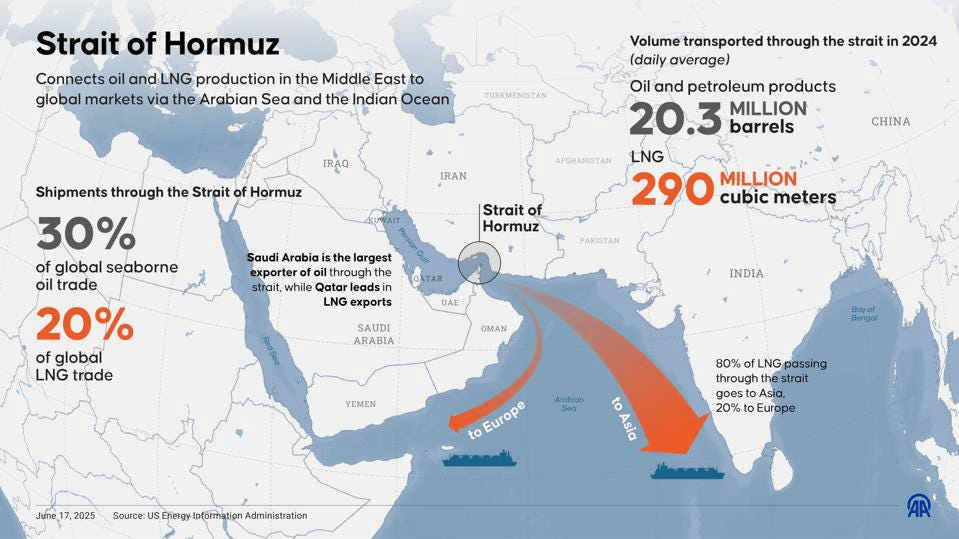
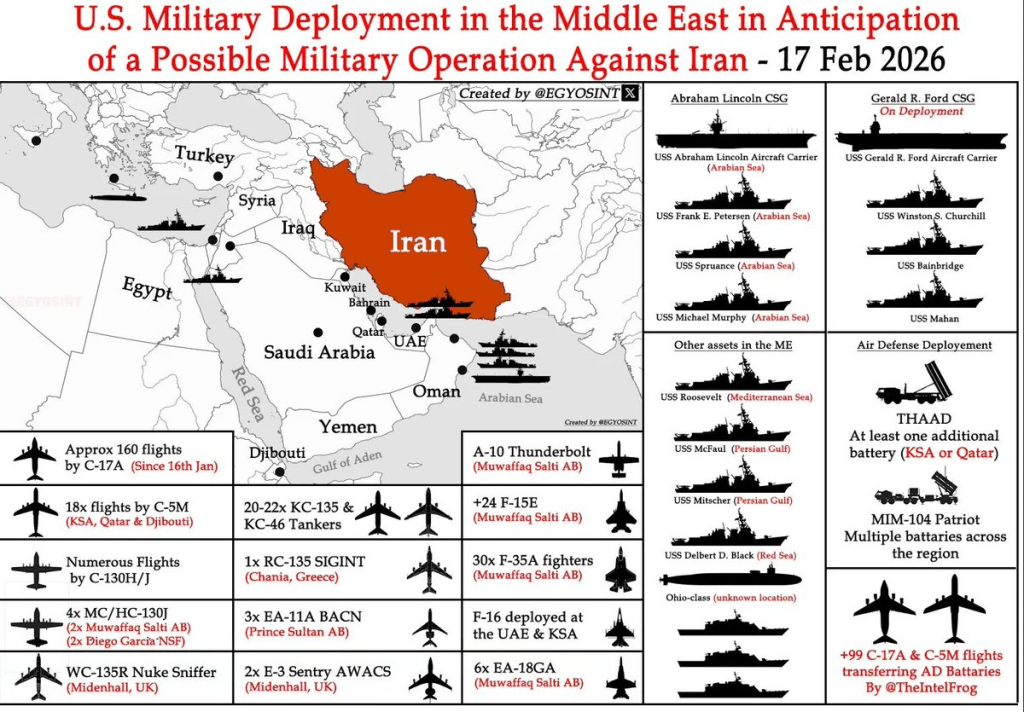
Militarily, the United States and Israel have demonstrated overwhelming superiority over Iran during the recent conflict. American airpower, naval capabilities, surveillance systems, and missile infrastructure vastly outmatch Iranian conventional forces. Yet despite this dominance, the United States has failed to achieve strategic control over the Strait of Hormuz. That contradiction explains much of the instability today.
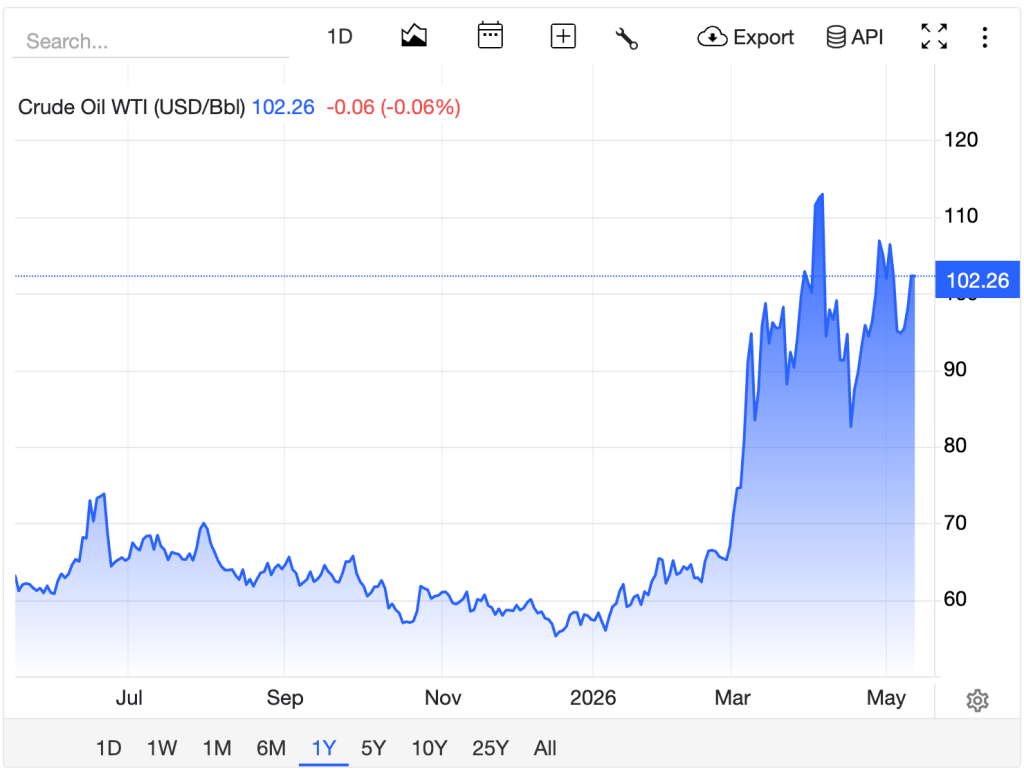
Iran has not defeated the United States militarily. But it has succeeded in making the waterway unsafe enough to disrupt shipping, raise global oil prices, and force insurance premiums higher. Even limited attacks on tankers, drones near shipping lanes, or threats against ports are sufficient to create paralysis in commercial shipping.
The collapse of Trump’s “Project Freedom” demonstrated this reality vividly. The operation was intended to establish a protected maritime corridor using destroyers, fighter aircraft, and naval escorts to guarantee safe transit through the strait. Within just 50 hours, the initiative was paused.
Why?
Because military superiority alone could not guarantee commercial confidence. Shipping companies, insurers, Gulf states, and maritime organizations were unconvinced that the operation would genuinely reduce risk. Saudi Arabia reportedly refused operational cooperation, fearing escalation into a larger regional war. Meanwhile, attacks and incidents involving vessels continued despite the announcement of the corridor. The result was deeply symbolic: the world’s strongest military could not quickly restore normal economic activity in one of the world’s most critical waterways.
Iran’s strategy has never depended on defeating the United States in direct war. Instead, Tehran relies on asymmetric pressure.Fast attack boats, mines, drones, missile batteries, proxy networks, cyber operations, and geographic positioning allow Iran to impose costs far beyond its conventional strength. The Strait of Hormuz favors this strategy perfectly. A narrow chokepoint is easier to disrupt than defend continuously.
Iran understands that it cannot win a prolonged full-scale conventional war against the United States. But it also understands that it does not need to. If Tehran can make global energy markets nervous enough, it creates international pressure on Washington to seek compromise. This is especially important because the economic pain is not distributed equally.
Unlike during the oil shocks of the 1970s, the United States is now a major energy producer. America imports relatively little oil through Hormuz compared to Asian economies. That gives Washington more resilience. But America is not immune. Higher oil prices still increase inflation, transportation costs, fertilizer prices, manufacturing expenses, and consumer fuel bills. Mortgage markets have already reacted nervously due to fears of prolonged inflation and tighter monetary policy.However, the real damage is falling on Asia.
Japan and South Korea remain deeply dependent on Gulf energy supplies. China purchases the overwhelming majority of Iranian oil exports. South Asian economies such as Pakistan and Bangladesh face fuel shortages and economic instability much faster than Western economies do. Europe is vulnerable as well, particularly because of liquefied natural gas disruptions. Gas prices have risen sharply, especially after damage to regional energy infrastructure. The longer the crisis continues, the more global supply chains begin to fracture. Energy shocks do not remain confined to energy markets. They eventually spread into food prices, shipping costs, industrial production, aviation, and political unrest. This is why global markets continue watching the Strait of Hormuz more closely than almost any other geographic location on Earth.
Donald Trump faces a strategic and political contradiction. He wants to project strength and avoid appearing weak toward Iran. At the same time, he does not appear willing to commit to the kind of large-scale military occupation or escalation that would be required to completely neutralize Iran’s disruptive capabilities.
A full campaign to permanently secure the Strait of Hormuz would likely require:
- sustained naval operations
- regional basing cooperation
- extensive missile defense
- suppression of Iranian coastal systems
- possible seizure of strategic islands
- long-term military presence
That would be enormously expensive, politically risky, and potentially unpopular domestically. Meanwhile, Trump also faces economic pressure. Rising fuel costs undermine one of the central promises of his political messaging: economic stability and lower inflation. This leaves Washington trapped between escalation and compromise.
Iran may appear resilient, but its long-term position is fragile. The country faces sanctions, economic isolation, inflation, unemployment, currency weakness, and declining investor confidence. A prolonged blockade or disruption of oil exports threatens the regime’s main source of revenue. Even if Iran succeeds in surviving militarily, economic exhaustion could become politically destabilizing internally. Iran’s leadership believes endurance creates leverage. Historically, Tehran has often relied on patience, assuming adversaries will eventually lose focus or political will.
But endurance has limits. A collapsing economy eventually weakens state capacity, public morale, and elite cohesion. The danger for Tehran is that “survival” may eventually become insufficient if ordinary Iranians face severe economic hardship for months or years.
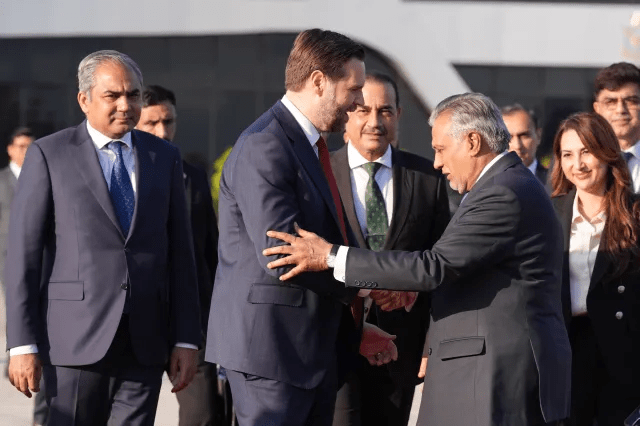
The negotiations continue collapsing because the core objectives of both sides fundamentally conflict.
The United States demands:
- an end to uranium enrichment
- dismantling of nuclear infrastructure
- restrictions lasting many years
- reduced Iranian regional influence
- limits on proxy groups
Iran demands:
- lifting sanctions
- ending naval blockades
- reopening Hormuz
- release of frozen assets
- recognition of its sovereign nuclear rights
Neither side wants to appear weak. Trump cannot politically sell major concessions after launching military operations. Iran’s leadership cannot publicly surrender core strategic capabilities after surviving a bombing campaign. That creates a classic stalemate. Both sides continue negotiating because the alternative is dangerous. Yet both sides reject the concessions necessary for a lasting agreement.
Ironically, America’s rivals may benefit the most from the crisis. Russia profits from higher energy prices and reduced sanctions pressure. China gains strategic lessons about economic resilience, maritime chokepoints, and Western alliance coordination.
Meanwhile, America’s allies are increasingly uncomfortable.
European and Asian partners are frustrated by unilateral decision-making, rising costs, and uncertainty surrounding US strategy. Some governments have reportedly limited operational cooperation or refused participation in escalation efforts. The crisis is therefore not only about Iran. It is also testing the credibility of American leadership itself.
Neither Iran nor the United States appears capable of achieving decisive victory without unacceptable costs. Iran cannot permanently close the Strait of Hormuz without risking overwhelming retaliation and severe economic collapse. The United States cannot fully secure the region without major escalation, long-term military commitment, and growing global economic consequences.
That means the most probable outcome is neither victory nor peace. This is what makes the current moment so dangerous. Not because either side necessarily wants all-out war, but because both are trapped in a confrontation where backing down appears politically costly while escalation remains economically and militarily unsustainable.
The Strait of Hormuz has become more than a shipping route. It is now the fault line of a changing global order, where military dominance no longer guarantees strategic control, and where even superpowers struggle to impose stability on an interconnected world economy.

