

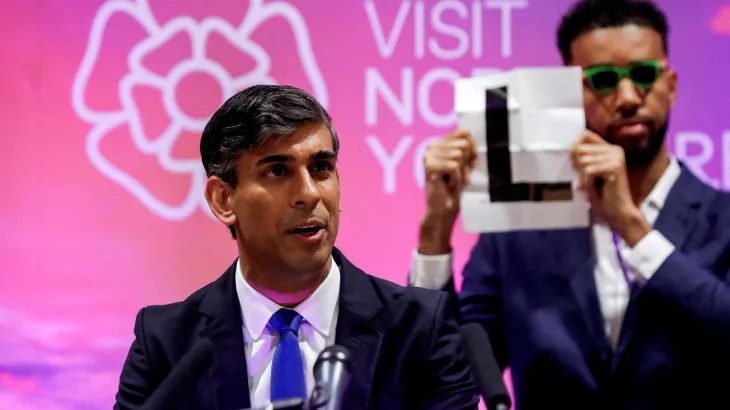
In a landmark general election, the Labour Party, under the leadership of Keir Starmer, has achieved a resounding victory, marking the end of 14 years of Conservative governance. This landslide win signifies a profound shift in the UK’s political dynamics, bringing with it potential implications across various sectors and sparking discussions on the future of the nation’s political and social landscape. This was the Conservatives’ worst defeat in the party’s 190-year history. Tory leader Rishi Sunak resigned as prime minister on Friday morning after his party won only 121 seats in the 650-seat House of Commons. “I am sorry,” Sunak told the public on Downing Street. “I have heard your anger, your disappointment. And I take responsibility for this loss.”

Labour’s triumph in securing 412 seats, well above the 326 needed for a majority in the 650-seat House of Commons, underscores a substantial shift in voter sentiment. The Conservative Party, led by outgoing Prime Minister Rishi Sunak, faced an unprecedented defeat, dropping to a historic low of 121 seats. This election saw prominent Conservative figures, including former Prime Minister Liz Truss, lose their seats, illustrating the extent of the party’s decline.
Starmer’s ascent to the position of Prime Minister heralds a move towards the political center, contrasting sharply with the Conservative Party’s rightward shift in recent years. This transition is expected to bring significant changes to the UK’s domestic and foreign policies, aiming for a more balanced and inclusive approach.
One of the notable aspects of this election was the rise of the right-wing Reform Party, led by Nigel Farage. Garnering significant support, Reform secured four seats in Parliament and drew substantial votes in various constituencies, reflecting a growing populist and anti-immigration sentiment within parts of the electorate. Farage’s victory, after multiple attempts to enter Parliament, signifies a concerning trend for ethnic minority communities and marginalized groups, given some Reform candidates’ history of making racist comments.
Despite Labour’s overwhelming victory, the party faced some unexpected setbacks. Several traditional Labour strongholds expressed dissatisfaction with the party’s shift away from its leftist roots and its stance on issues such as the environment and Gaza. Notably, Thangam Debbonaire, Labour’s shadow culture secretary, lost her seat to the Green Party, which also made significant gains.

Labour’s victory, while decisive in terms of seats, did not translate into an overwhelming popular vote. The party’s overall vote share rose by less than 2 percentage points compared to the previous election, highlighting underlying challenges in garnering widespread support. The election turnout was notably low, with only 60 percent of voters casting their ballots, the second-lowest turnout for a general election since 1885. The election outcome is likely to have significant implications for the media and entertainment industry. The Conservative government had previously introduced a 40 percent corporate tax relief for film and TV studios and a new tax credit for independent films with budgets under $19 million. Labour has expressed its commitment to preserving the film tax relief system, hinting at potential modifications to keep it competitive on a global scale. The party aims to ensure that the UK remains an attractive destination for film and TV productions, maintaining its position in the international entertainment industry.
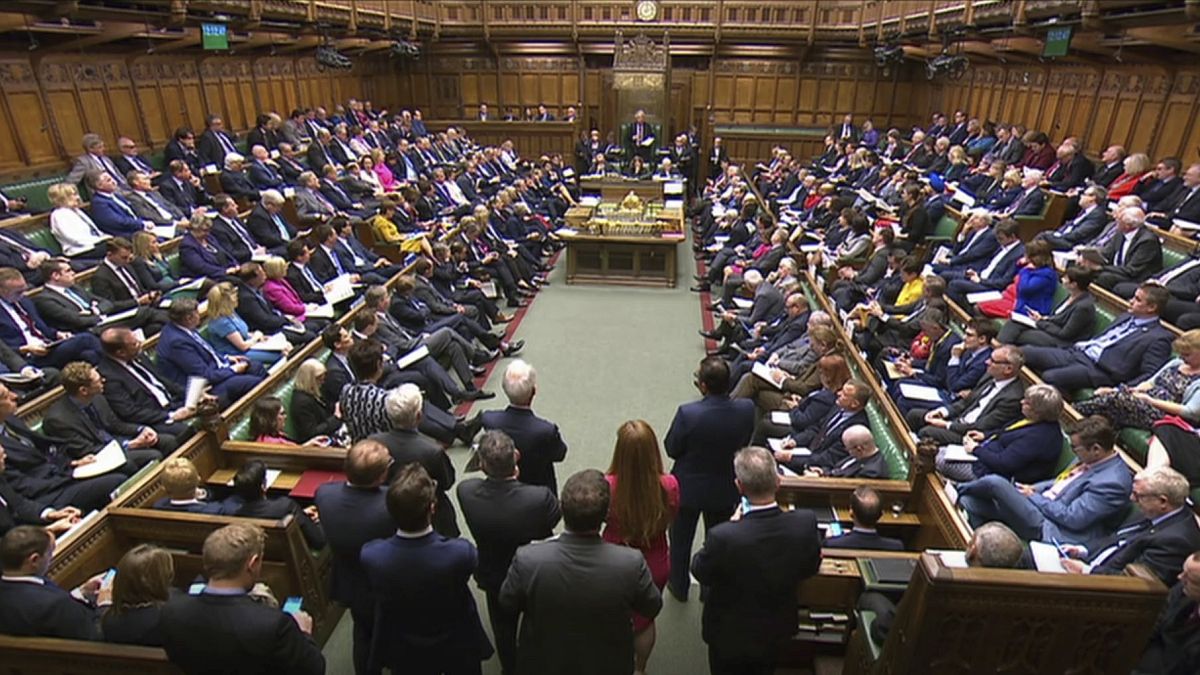
The Liberal Democrats, led by Ed Davey, made a remarkable comeback, winning 71 seats, a significant increase from their previous tally. This resurgence indicates a shift in voter preferences, with many turning to the Lib Dems as an alternative to the traditional two-party system. Additionally, the election saw the emergence of pro-Palestine independents, with five candidates winning seats, reflecting public sentiment on international issues. These victories highlight the electorate’s desire for more diverse representation in Parliament, addressing specific concerns and advocating for marginalized communities.
While Labour’s victory marks a historic moment, the overall atmosphere on election night was unexpectedly subdued. High expectations and the looming presence of the Reform Party contributed to a sense of unease. Labour’s majority, described by some commentators as a “sandcastle” that could be quickly eroded, underscores the volatile nature of contemporary politics. The split in the vote between Labour and its left-wing counterparts, as well as the emergence of independent candidates, suggests potential challenges in maintaining a unified front in future elections.
Keir Starmer and his party now face the daunting task of translating their electoral victory into meaningful change. With a strong mandate, Labour has the opportunity to implement policies aimed at addressing economic inequality, improving public services, and fostering social cohesion. However, the party must navigate internal divisions and external pressures, working to build consensus and deliver on its promises.
Labour’s landslide victory represents a significant shift in the UK’s political landscape, ending over a decade of Conservative rule and ushering in a new era of governance. The rise of populist movements, the resurgence of the Liberal Democrats, and the emergence of independent candidates reflect the evolving dynamics of British politics. As Keir Starmer takes the helm, the nation looks forward to a period of transformation and renewed hope, tempered by the challenges that lie ahead.
 vision of sid
That will be interesting to watch! I hope it will not go with the Labour Party as it went with the Danish Social Democrats, who are now neither social nor democrats anymore.
LikeLike