


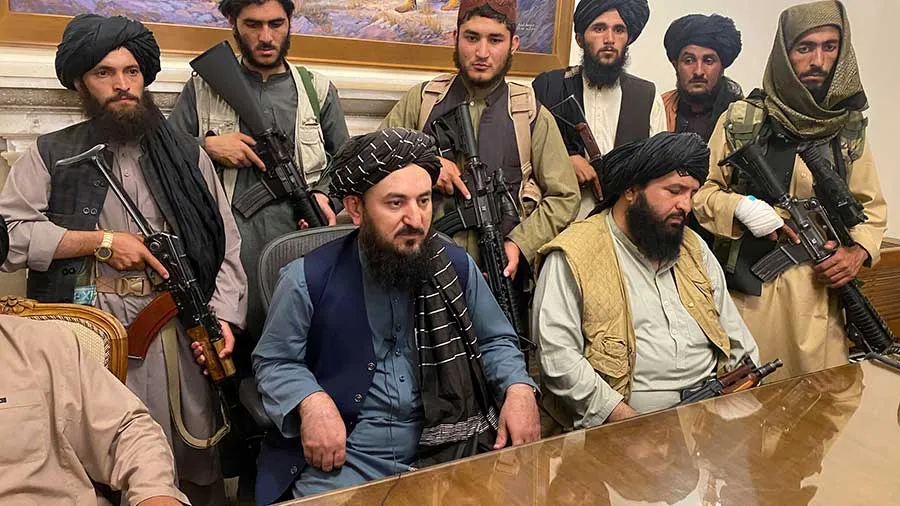
In 2021, Afghanistan witnessed a significant shift in the political landscape of Afghanistan as the Taliban regained control after two decades. Since their return, concerns over human rights violations have dominated global discussions. Following the withdrawal of international forces, the Taliban swiftly recaptured critical areas of Afghanistan. Their resurgence has raised alarm bells concerning the fate of human rights, particularly for women, religious minorities, journalists, and activists. Under previous Taliban rule (1996-2001), human rights abuses were rampant, including restrictions on freedom of speech, expression, and assembly and the repression of women’s rights. Sadly, these concerns have resurfaced.
Yogita Limaye, BBC’s correspondent for Afghanistan, reports the deteriorating condition of Women’s Rights and Gender Equality.
“I just want someone to hear my voice. I’m in pain, and I’m not the only one,” an Afghan university student tells Yogita, blinking back tears she reports.
“Most of the girls in my class have had suicidal thoughts. We are all suffering from depression and anxiety. We have no hope.”
In her early twenties, the young woman tried to end her life four months ago after female students were barred from attending university by the Taliban government in December last year. A psychologist is now treating her.
One of the most troubling aspects of the Taliban’s rule is the erosion of women’s rights and gender equality. In the past, the Taliban imposed strict gender-based restrictions, prohibiting women from working, receiving education, and leaving their homes without a male guardian. Although the Taliban have promised a more inclusive government, reports of women being forced out of jobs, girls’ education disrupted, and women being subjected to violence and discrimination raise concerns about the sincerity of their claims. Freedom of speech and press were also severely threatened after the Taliban’s return. Journalists, media outlets, and social media platforms face increasing censorship, and critical voices are silenced. Numerous incidents of violence against journalists have been reported, forcing many to flee the country or self-censor to ensure their safety. The shrinking space for dissent and independent media poses a significant challenge to the free flow of information.
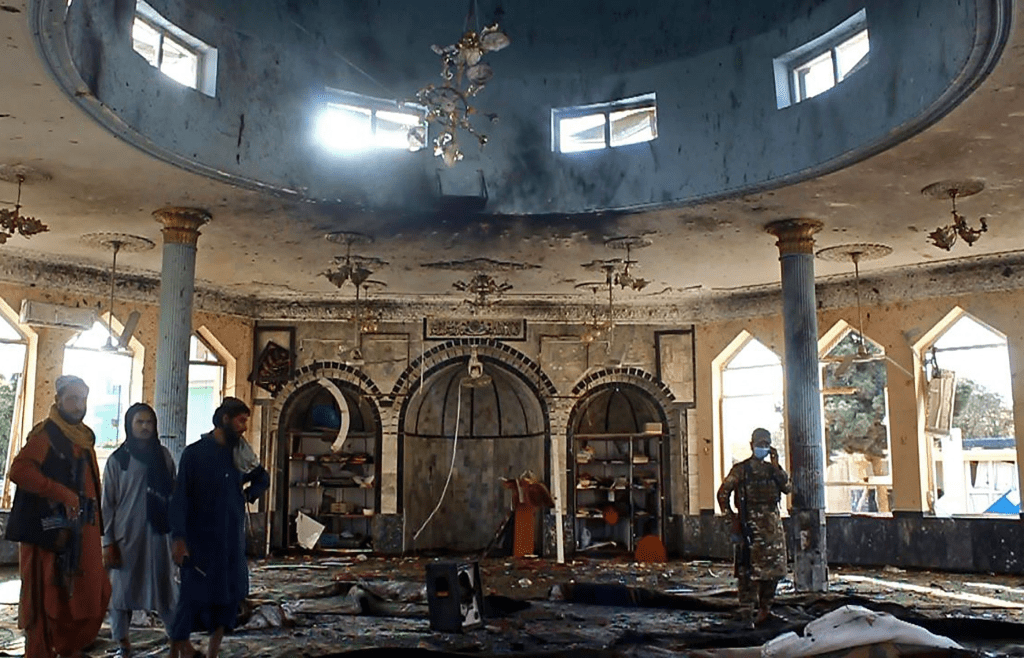
Afghanistan is home to a diverse range of religious and ethnic communities. However, the return of the Taliban has raised concerns over the safety and well-being of religious minorities. In the past, the Taliban targeted religious minorities, including Hindus, Sikhs, and Shia Muslims, subjecting them to violence, discrimination, and forced conversions. The fear of a repeat of these atrocities has sparked anxiety among minority communities, further exacerbating sectarian tensions in the country. Civil society organizations and human rights activists have played a crucial role in Afghanistan’s progress over the past two decades. However, the Taliban’s return has severely restricted the space for activism and undermined the work of these organizations. Activists face intimidation, threats, and even assassination attempts. The fear of retribution has forced many activists into hiding or flee the country altogether, leaving a void in the fight for human rights.
The international community has expressed grave concerns about Afghanistan’s deteriorating human rights situation. Diplomatic pressure, economic sanctions, and conditional aid have encouraged the Taliban to uphold human rights. However, the effectiveness of these measures remains to be seen.
The deteriorating human rights situation in Afghanistan under Taliban rule has prompted an urgent response from the international community. Governments, organizations, and human rights advocates worldwide have expressed deep concerns and called for action to address the violations. However, finding effective strategies to promote and protect human rights in Afghanistan remains complex and challenging.
- Diplomatic Pressure: Governments and international organizations have utilized diplomatic channels to pressure the Taliban to uphold human rights. Diplomatic statements, condemnations, and warnings about potential consequences have been issued. Key actors such as the United States, European Union, United Nations, and neighbouring countries have an essential role in exerting diplomatic pressure to influence the behaviour of the Taliban.
- Economic Sanctions and Conditional Aid: Economic sanctions and aid conditionality have incentivised the Taliban to respect human rights and adhere to international norms. By imposing sanctions or making financial assistance contingent upon improvements in the human rights situation, the international community seeks to create leverage and encourage positive change. However, the effectiveness of these measures depends on their implementation, coordination, and enforcement.
- International Human Rights Monitoring: Establishing and reinforcing mechanisms for independent human rights monitoring in Afghanistan is crucial. International organizations, such as the United Nations and human rights NGOs, can play a vital role in documenting and reporting human rights abuses, ensuring transparency, and holding perpetrators accountable. Regular monitoring and reporting can help maintain international attention and support evidence-based advocacy.
- Providing Assistance and Support: The international community should support Afghan civil society organizations, activists, and human rights defenders who continue their work under extremely challenging circumstances. Funding, capacity-building initiatives, and safe spaces for collaboration and advocacy can strengthen local efforts to promote and protect human rights. Ensuring these resources directly reach grassroots organizations and marginalized communities is essential.
- Engaging Regional and International Partners: Collaborating with regional stakeholders, neighbouring countries, and international partners is crucial for addressing the human rights crisis in Afghanistan. Regional organizations such as the Organization of Islamic Cooperation (OIC) and the South Asian Association for Regional Cooperation (SAARC) can play a role in facilitating dialogue, sharing best practices, and supporting efforts to protect human rights. Engaging neighbouring countries is particularly important for addressing cross-border challenges, such as refugee flows and the impact of conflict on regional stability.
- Public Awareness and Advocacy: Raising public awareness about the human rights situation in Afghanistan and advocating for international action are essential. Media coverage, social media campaigns, public demonstrations, and civil society engagement can help mobilize global support and pressure governments to prioritize protecting human rights in their policies and actions. Engaging celebrities, influencers, and public figures to amplify the message can also significantly impact.
- Supporting Transitional Justice: A comprehensive approach to human rights in Afghanistan should focus on transitional justice. Addressing past human rights violations, ensuring accountability, and providing reparations to victims are vital steps towards building a more inclusive and just society. Supporting truth commissions, establishing mechanisms for transitional justice, and promoting reconciliation processes can contribute to long-term stability and respect for human rights.
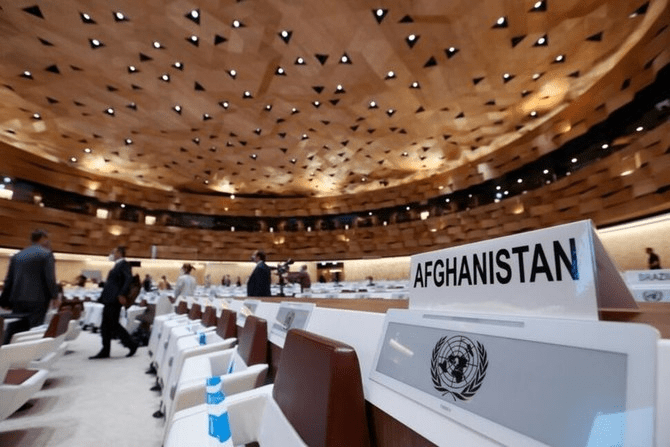
The international community must hold the Taliban accountable for their actions. Aid and diplomatic engagement should be linked to tangible improvements in the human rights situation, including protecting women’s rights, freedom of expression, and the safety of religious minorities. It is equally important to support local civil society organizations and assist activists who continue their work under challenging circumstances.
The current condition of Afghanistan under Taliban rule presents a bleak reality with grave implications for human rights. Women’s rights, freedom of speech, and religious minority rights are severely threatened. The international community must remain vigilant and exert sustained pressure to protect human rights in Afghanistan. Despite immense challenges, it is crucial to support the brave individuals and organizations striving for a more inclusive and just society in Afghanistan.
 vision of sid
It is always interesting and informative to read your articles. They are well researched and thought through.
I find it scary, how similar the situation in Afghanistan and some of the Federal States in the US is. We have a standing (and sad) joke here that the Taliban go to America to learn about suppression, domination and violence.
LikeLiked by 1 person
haha I can understand the joke : )
It is truly sad when we read these stories which just fills out hearts. Thanks for reading btw
LikeLiked by 1 person