

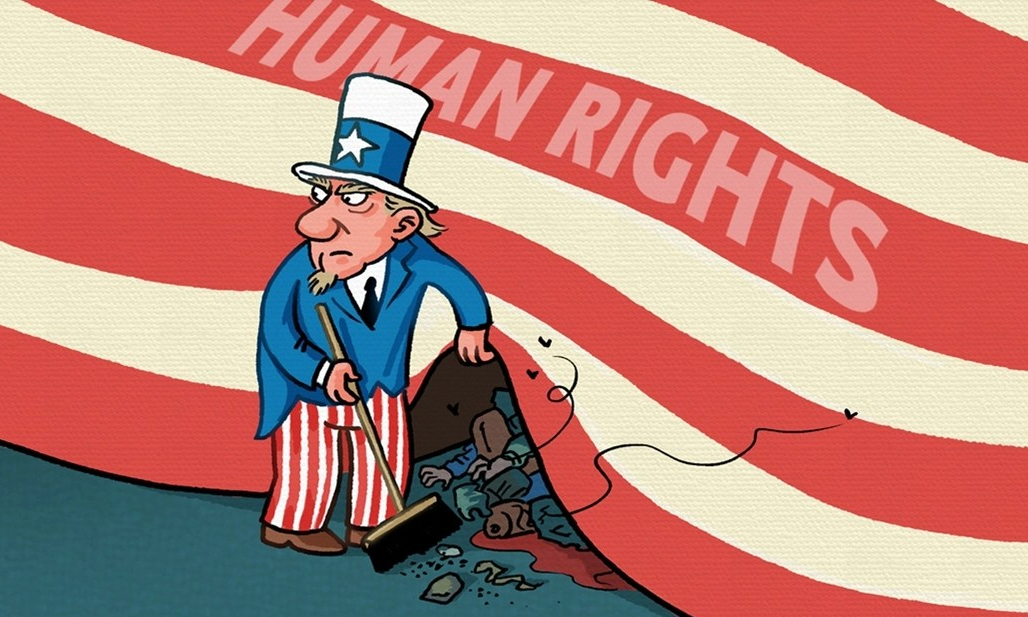
In international relations, discussions on human rights have often been at the forefront of global debates. A incident involving United States Secretary of State Antony Blinken’s remarks on human rights issues in India again underscores this discourse’s complex nature. While these discussions are vital for upholding fundamental principles, it’s imperative to critically assess the actions of those who advocate for human rights. The United States military, despite its global role and responsibilities, has faced its share of scrutiny for alleged violations of human rights, particularly in conflict zones like Iraq.
During the eight-year occupation of Iraq from 2003 to 2011, the actions of the U.S. military came under international scrutiny. These actions can be categorized into various aspects, each revealing the grim reality of human rights violations.
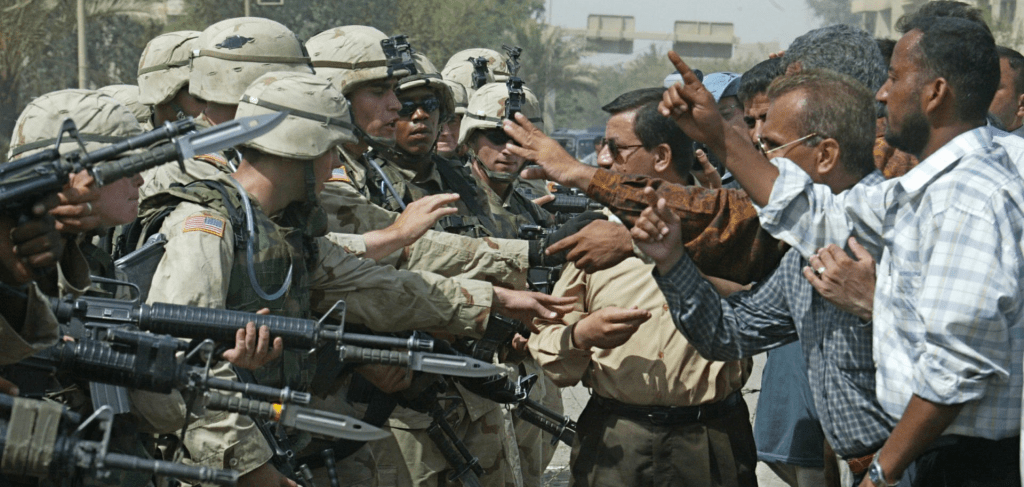
Before the occupation, Iraqi women held significant positions in academia, law, medicine, and government. However, the war drastically altered their circumstances, leaving them vulnerable and marginalized. Disturbing incidents such as the Mahmudiya case shed light on the severity of these violations. In 2006, U.S. soldiers entered an Iraqi home, raped a 16 year-old girl, and killed her family. This incident violated the principles of international law and shattered the lives of innocent civilians. It is a stark reminder that human rights must be upheld even in times of conflict.
Children, the most vulnerable members of any society, also suffered greatly during the occupation. The indiscriminate use of force and the lack of proper safeguards put countless Iraqi children in harm’s way. The Mahmudiya incident, mentioned earlier, further highlights this issue. The traumatic experiences of children witnessing violence and losing loved ones scarred an entire generation. Such violations of children’s rights have long-lasting repercussions on the affected individuals and society.
Conflict zones often result in mass displacement, leaving people without homes or security. The U.S. occupation of Iraq was no exception. Internally displaced individuals and refugees faced immense challenges, including inadequate access to necessities and increased vulnerability to exploitation. These conditions violated their fundamental rights and added to the overall suffering caused by the conflict.
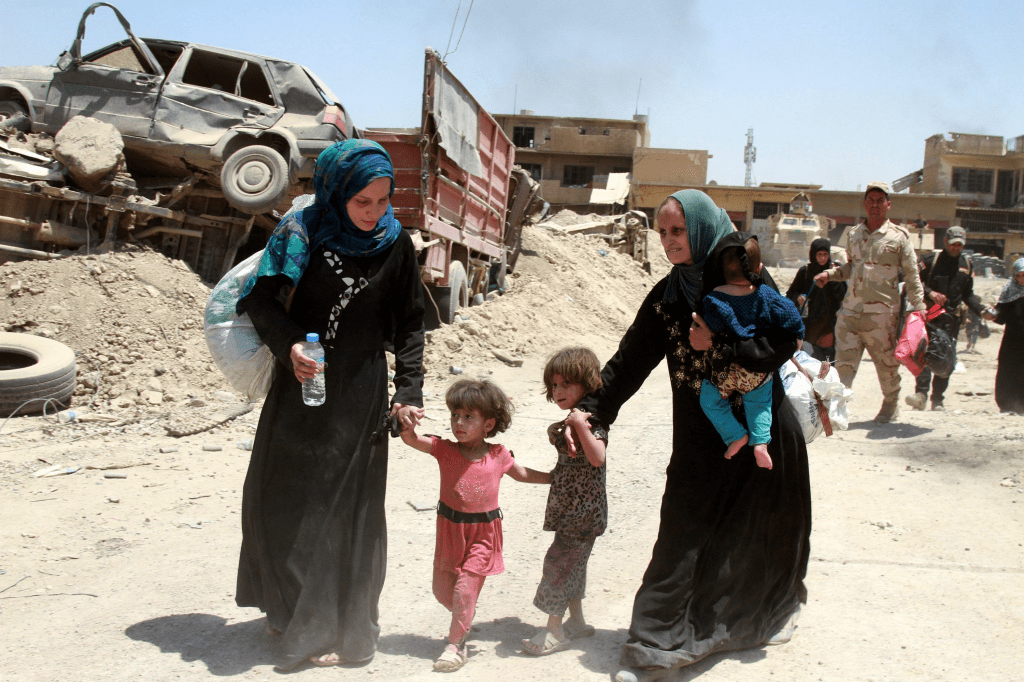
Perhaps the most distressing aspect of the U.S. military’s actions in Iraq was the mass killing of civilians. The deployment of incendiary weapons and the indiscriminate use of force resulted in the loss of innocent lives. Cases like the Mahmudiya incident and numerous others underline the magnitude of civilian casualties, raising questions about accountability and adherence to international law.
Examining these violations through the lens of international law reveals a disturbing pattern. The Geneva Conventions and the Rome Statute of the International Criminal Court explicitly prohibit the actions that occurred during the U.S. occupation. The violation of Article 33 of the Geneva Convention IV, which forbids collective punishment, and the breach of Articles 7 and 8 of the Rome Statute, which classify such acts as crimes against humanity, reflect a grave disregard for established norms.

These instances of human rights violations by the U.S. military in Iraq underscore the challenges of executing global conventions effectively. Despite international frameworks aimed at preventing such atrocities, their enforcement remains inconsistent. This dissonance raises broader questions about the commitment of powerful nations to upholding the principles they advocate for on the global stage.
It’s essential to recognize that the discourse on human rights is not merely a diplomatic tool but a reflection of shared values and responsibilities. Inconsistencies, such as the dual approach taken by the United States, wherein human rights concerns are emphasized selectively, cast doubt on the credibility of such discourse. For diplomacy to be effective and for human rights to be genuinely protected, accountability must extend to all nations, regardless of their global influence.
Outside Iraq, one of the most notorious episodes in U.S. military history is the My Lai Massacre during the Vietnam War in 1968. U.S. Army soldiers tasked with fighting against the Viet Cong insurgency unleashed a horrifying wave of violence upon the civilian population of the My Lai village. Estimates of innocent South Vietnamese civilians killed vary, but the incident resulted in the deaths of between 347 and 504 individuals, including women, children, and the elderly. The massacre shocked the world and exposed the brutality that can emerge amid conflict. Controversial practices have also extended to the treatment of detainees and prisoners. Following the September 11 attacks, the Central Intelligence Agency (CIA) implemented an “enhanced interrogation” program that included techniques widely regarded as torture, such as waterboarding and stress positions. These practices’ ethical and legal implications have ignited debates on the fine line between national security imperatives and human rights obligations.

The use of drone strikes for targeted killings in various countries, including those outside recognized war zones, has further complicated the issue. While these strikes have been presented as a means to eliminate high-value targets, concerns have been raised about the lack of transparency, accountability, and potential for civilian casualties. Similarly, the treatment of detainees at Guantanamo Bay detention camp has drawn international criticism, with allegations of prolonged detention without trial and human rights violations.
The U.S. military’s actions in Iraq during its occupation have brought into sharp focus the inherent challenges of safeguarding human rights during conflicts. Violations in various forms, from gender-based violence to civilian casualties, underscore the urgency of addressing accountability and adherence to international law. The discourse on human rights should not be a selective tool for diplomatic manoeuvring instead, it should reflect shared values and an unwavering commitment to our global society’s principles. We hope to prevent such atrocities and move toward a more just and equitable world through consistent enforcement and a genuine dedication to upholding human rights.
 vision of sid
Obama also promised to decrease the number of missiles fired on Yemen, but they increased instead. In my eyes, their missile presence in Yemen is completely illegal.
With regard to Iraq it makes it all even more tragic when one thinks about the fact that their attacking the country was based on a lie.
One could also mention Hiroshima and Nagasaki. After having bombed Hiroshima and having seen the destruction and the deaths that that bombed caused, how can they still drop the second bomb on another city?
LikeLike